

Three Signs Your Packaging Supplier Is Slowing Your Growth
Three Signs Your Packaging Supplier Is Slowing Your Growth
Most brands don’t outgrow their product; they outgrow their systems.
When growth becomes difficult or inconsistent, attention typically turns to marketing, pricing, or operations. Packaging suppliers are rarely examined as a constraint. Yet in many scaling businesses, supplier capability quietly determines how fast expansion can occur.
The warning signs are subtle. They only become obvious once the cost of ignoring them compounds.
Here are three that appear consistently across growing food and cold chain brands.
1. Supply continuity feels reactive instead of predictable
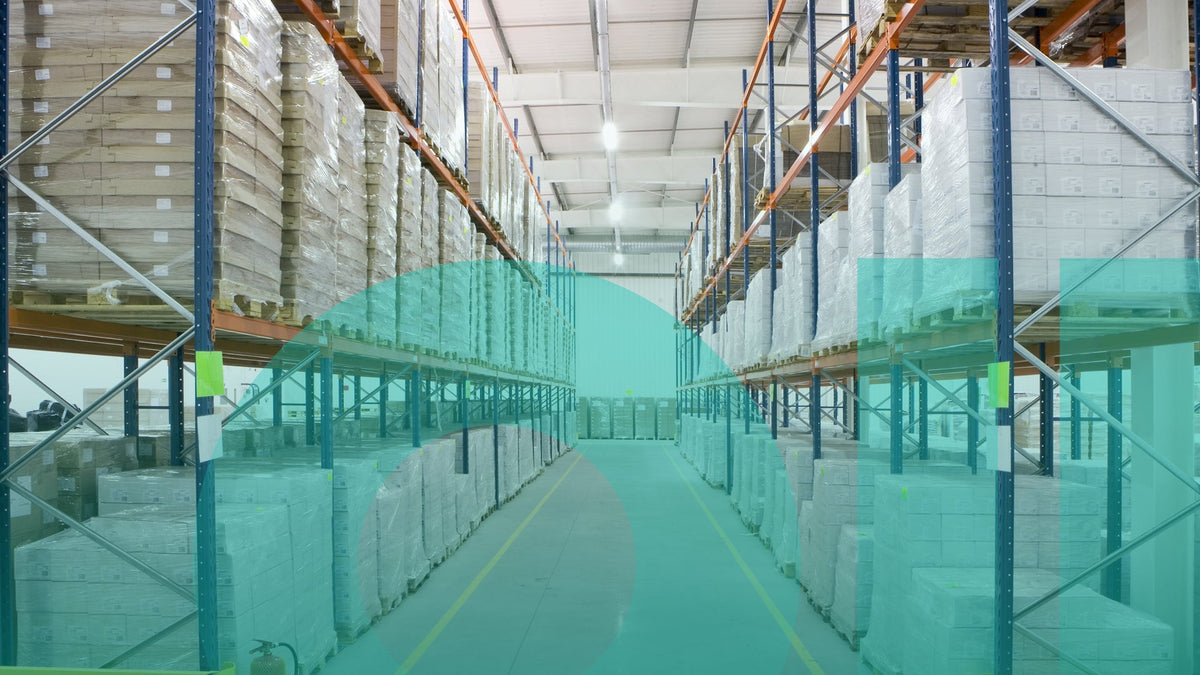
Growth exposes supply fragility quickly.
What worked at regional scale often struggles under national volume. Lead times extend. Partial deliveries become common. Safety stock increases because delivery dates no longer feel dependable.
In several recent growth phases across the industry, operators have delayed promotions or restricted geographic expansion not because demand was lacking, but because insulation or coolant supply could not be guaranteed.
When procurement teams spend more time chasing materials than planning expansion, the supplier relationship has already become a bottleneck.
Reliable suppliers plan for volume growth in advance. If increases in demand consistently create disruption, the system is not built for scale.
2. Validation support stops after launch
Many suppliers support initial deployment. Far fewer support evolution.
As distribution expands, lanes change, and seasonal pressure increases, pack outs require reassessment. Without structured validation support, businesses often continue shipping with systems designed for earlier, less complex conditions.
Transit times stretch. Carrier variability widens. Buffer narrows. Complaint rates increase gradually rather than dramatically.
Without validation analysis, lane review, and seasonal stress testing, the first meaningful signal of underperformance often arrives through customer complaints.
At scale, the absence of technical partnership shifts performance risk back to the brand.
3. Responsiveness declines as volume grows
Paradoxically, some supplier relationships become less agile as orders increase.
Design refinements slow. Custom requests are discouraged. Iteration timelines extend. What once took days begins to take weeks.
For growing brands, speed matters. New product launches, regional rollouts, and seasonal adjustments require rapid packaging alignment. When responsiveness lags, growth initiatives are either delayed or executed with compromised pack outs.
Small configuration changes, such as adjusting liner dimensions or rebalancing coolant placement, can materially influence performance. When those adjustments are slow to implement, friction accumulates.
The pattern that emerges
These issues rarely present as dramatic failure, but they appear as friction.
Increased working capital tied up in inventory. Gradual complaint increases during peak. Hesitation around expansion because material availability feels uncertain. Slower rollout of new products.
Over time, that friction becomes expensive.
Packaging suppliers do not simply provide materials. They influence supply continuity, technical resilience, and the pace at which a brand can adapt to growth.
Brands that scale efficiently tend to treat supplier capability as a strategic consideration rather than a transactional one.
The constraint is rarely obvious at first. It becomes clear only when growth begins to outpace the system supporting it.
Read more

Cold chain systems are often designed under ideal assumptions; however, the reality of shipments can differ dramatically from the validation process.
Operating from one of the most geographically isolated developed markets in the world has always required a different relationship with supply. I.e. distance is not an exception to manage; it is th...

India has long been an important part of the global pharmaceutical industry, particularly in the manufacturing and supply of medicines. Now, the country is investing in another critical part of pha...