

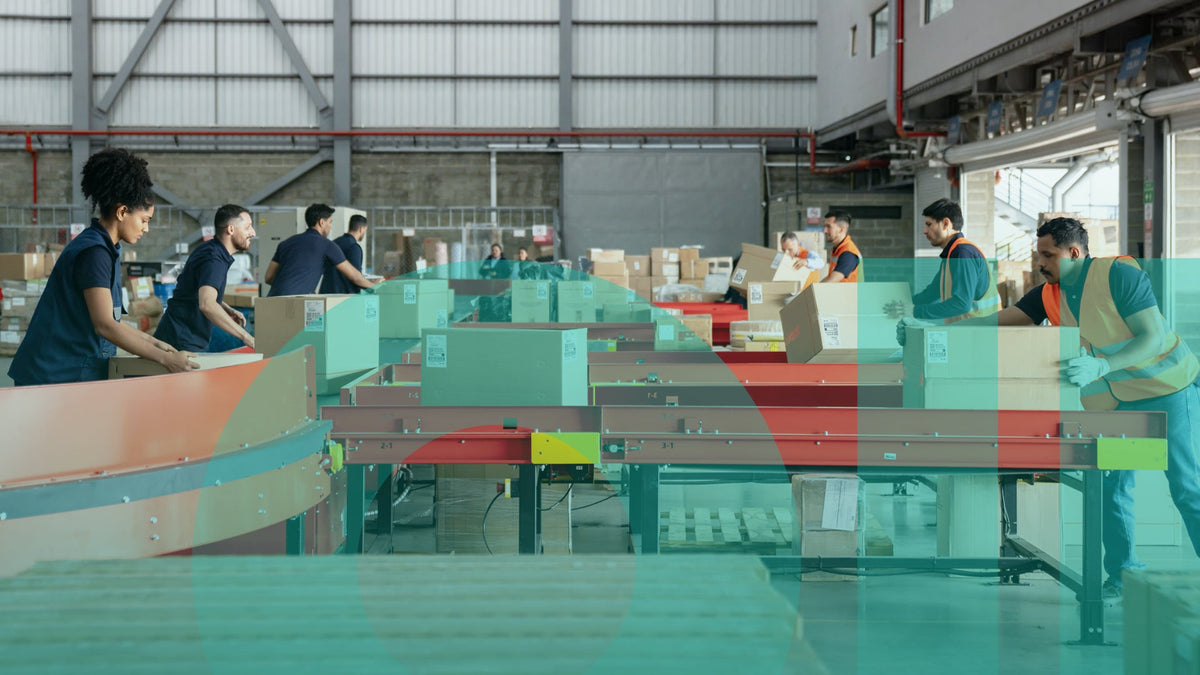
What Brands Misjudge When Scaling from 500 Boxes a Week to 5,000
Growth from 500 boxes a week to 5,000 rarely fails because demand disappears; it stalls because the system underneath was never designed to carry that load.
At lower volumes, small inefficiencies are absorbed, and workarounds hold. Teams compensate. The operation feels stable enough.
At scale, those same conditions behave differently. What was manageable becomes a constraint. What was invisible becomes expensive.
The shift is not linear. It is structural. Here are the patterns that tend to repeat across food, pet, and specialty cold chain shipments.
Pack outs that worked regionally stop holding nationally
Early success often comes from short, predictable lanes.
One or two day transit, familiar carriers, limited exposure to heat and delay. Packaging systems are built around those conditions, whether intentionally or not.
As distribution expands, those assumptions break. Transit windows stretch. Carrier handoffs increase. Environmental exposure becomes less predictable.
The pack out has not changed; however, the environment has. At 500 boxes a week, this shows up occasionally; at 5,000, it becomes a trend and a problem.
Fulfilment execution drifts under pressure
Volume changes behavior on the floor. Coolant sits out longer, packing speeds increase, new staff are introduced. Small steps get skipped or shortened to keep up.
None of this looks like failure in isolation; it looks like adaptation. Over time, it creates variation.
The system that was validated in controlled conditions begins to drift away from how it is actually executed. Temperature performance becomes less consistent. Complaint rates rise slowly rather than suddenly. At scale, consistency matters more than precision.
Inventory buffers hide supply weakness
At lower volumes, material shortages are inconvenient. At higher volumes, they become operational decisions.
Teams start holding more stock than planned. Safety buffers increase. Storage space tightens. Cash gets tied up in materials that may not be used efficiently.
On the surface, this looks like caution. In practice, it often signals that supply is no longer predictable. When growth depends on whether insulation or coolant arrives on time, expansion slows, even if demand remains strong.
Small design flaws become system level problems
Minor inefficiencies tend to compound at scale.
A box that is slightly oversized increases shipping cost across thousands of units. A liner that is difficult to install correctly introduces variation across shifts. A coolant configuration that sits close to fresh product creates occasional quality issues that multiply with volume.
None of these issues are new. They were present at 500 boxes a week, they simply become harder to ignore at 5,000.
Carrier variability becomes more visible
At lower volumes, shipments are a sample. At higher volumes, they are a dataset.
Patterns begin to emerge. Certain lanes consistently underperform. Certain days introduce more delay. Certain hubs create more exposure, and what once felt random starts to look predictable.
The challenge is that most systems were not designed with that variability in mind. They were built for average conditions. At scale, the average matters less than the outliers.
The pattern that emerges
Scaling from 500 to 5,000 boxes a week is not about doing more of the same, it’s about operating under different conditions.
Systems need to absorb variability rather than rely on consistency. Pack outs need to perform across a wider range of lanes. Supply needs to be predictable without excessive buffering. Execution needs to remain consistent under pressure.
Most importantly, assumptions need to be revisited. The brands that scale cleanly tend to recognize that growth changes the operating environment. They adjust early, before small inefficiencies turn into structural constraints.
The ones that struggle usually discover the same issues later, once they have already become expensive. Growth does not break systems; it reveals how they were built.
Read more

Thermal validation is often viewed as a pass or fail exercise. A packaging system either maintains temperature for the required duration or it does not. While that outcome matters, it only tells pa...
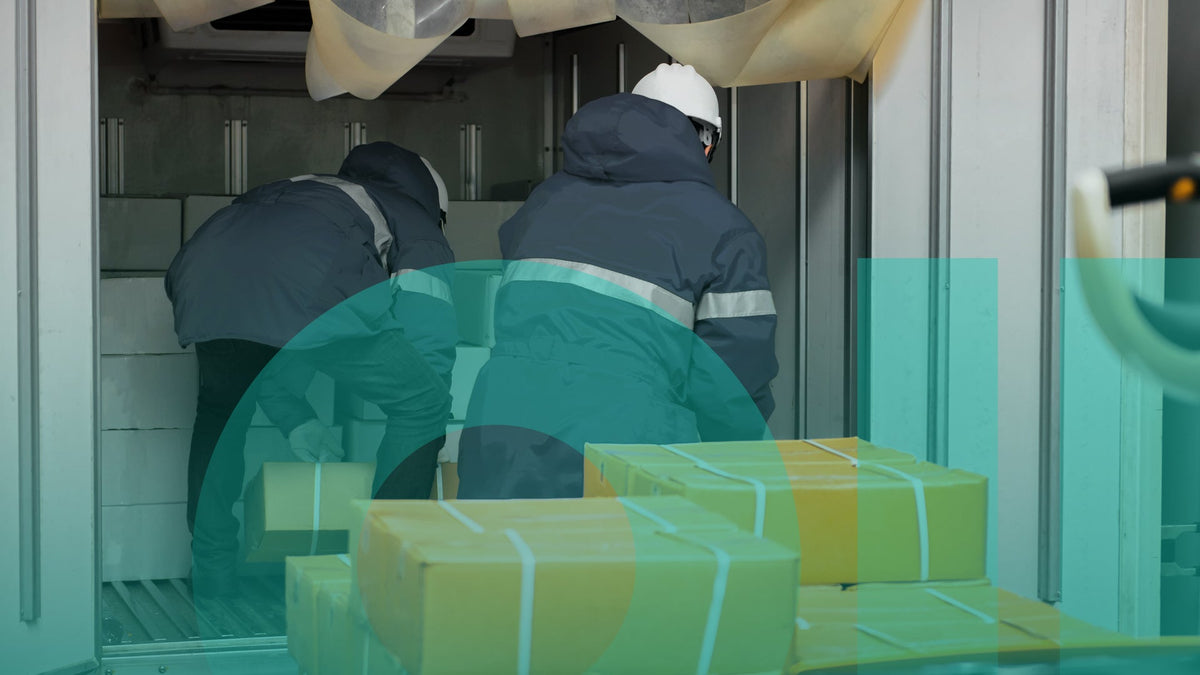
Cold chain systems are often designed under ideal assumptions; however, the reality of shipments can differ dramatically from the validation process.

India has long been an important part of the global pharmaceutical industry, particularly in the manufacturing and supply of medicines. Now, the country is investing in another critical part of pha...